
Spray Foam Insulation Myths: What’s True and What’s Not?
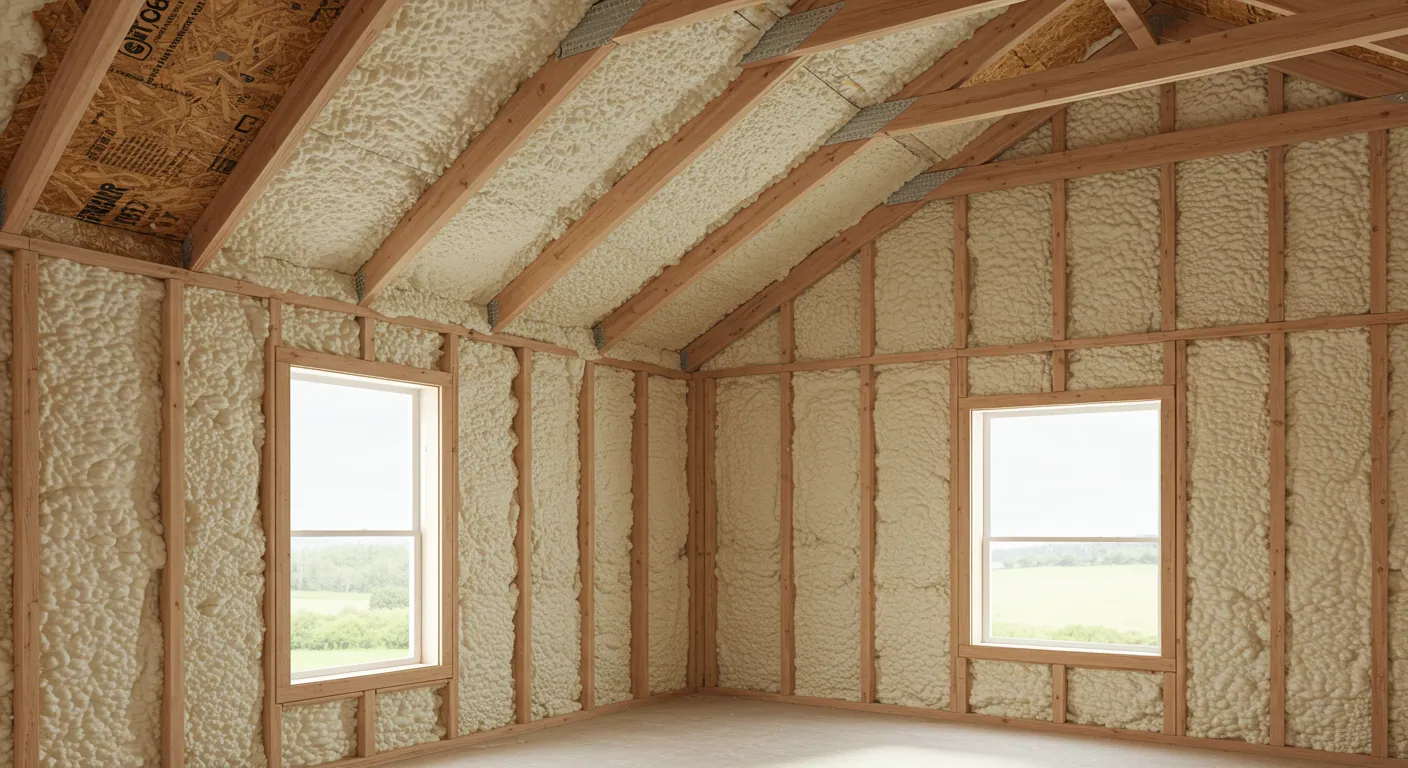
Spray foam insulation is widely used in homes, commercial buildings, and agricultural structures for its thermal performance and air-sealing qualities. Still, several misconceptions persist. Some believe it’s unsafe, others think it doesn’t work in humid climates, or that it’s too expensive compared to other options. These myths create confusion and lead to poor insulation choices.
This article breaks down the most common misunderstandings, backed by direct installation experience and technical data. It highlights facts versus fiction and guides property owners evaluating insulation solutions. The insights provided are based on hands-on application in varied environments, including Kansas and neighboring regions with significant seasonal variation, through the expertise of Ozark Eco Foam.
Common Myths and Facts
Understanding Spray Foam Options
Bonus Tip: In areas with temperature extremes, like Kansas winters and summers, closed-cell spray foam is more effective for exterior-facing walls and unvented attics due to its moisture resistance and higher R-value.
Technical Specs at a Glance
Bonus Tip: For agricultural structures, closed-cell insulation resists pests and moisture, helping preserve building integrity and reduce heating costs during winter.
Things to Consider Before Making a Decision
- Building Type: Residential interiors often use open-cell foam; barns, basements, and metal buildings benefit from closed-cell.
- Moisture Exposure: Areas prone to dampness need closed-cell for its vapor barrier properties.
- Budget vs ROI: Spray foam costs more upfront, but long-term energy savings offset the initial investment.
- Code Compliance: Local building codes may require specific insulation types; verify before installation.
- Climate Conditions: In mixed-humidity zones like southeastern Kansas, balancing air sealing and moisture control is essential.
Closely Related Services from Ozark Eco Foam
Common Questions About Spray Foam Insulation
Can spray foam be installed over existing insulation?
Only if the existing material is clean and dry. Often, removal is recommended to ensure proper adhesion and coverage.
How long does spray foam last?
Typically over 30 years without degradation when correctly installed.
Does it help with noise reduction?
Open-cell spray foam provides excellent sound dampening, especially in wall cavities.
Is spray foam suitable for older homes?
Yes, though evaluation is needed to address existing moisture or structural issues.
Get Expert Insulation Guidance
For reliable insulation insights based on real-world application in Kansas and surrounding regions, contact:
Explore the best approach to insulating your home or building with knowledge-backed recommendations from experienced professionals.
FAQ
How does spray foam insulation compare to blown-in cellulose?
Spray foam provides both air sealing and insulation. Cellulose mainly adds thermal resistance but doesn’t stop air movement.
Can spray foam insulation be used in attics?
Yes. Closed-cell works well in unvented attics; open-cell is used in vented designs. Application depends on roof structure and moisture exposure.
Is it safe to be in the house during installation?
No. Occupants should leave the area during installation and return after the curing period, usually 24 hours.
Will spray foam crack or shrink over time?
Not if installed correctly. Closed-cell retains its shape; improper mixing during application is usually the cause of defects.
Does spray foam attract pests?
No. Unlike fiberglass, spray foam doesn’t provide nesting material or easy entry points.
Get a QUote
Our Posts
Crawl Space Insulation Air Quality
Crawl Space Insulation Indoor Air Quality
Commercial Spray Foam Insulation
Insulation Removal Spray Foam Upgrade Galena Ks
Spray Foam Insulation Agricultural Buildings
Open Cell Vs Closed Cell Foam New Construction
- Increase TextIncrease Text
- Decrease TextDecrease Text
- GrayscaleGrayscale
- High ContrastHigh Contrast
- Negative ContrastNegative Contrast
- Light BackgroundLight Background
- Links UnderlineLinks Underline
- Readable FontReadable Font
- Reset Reset