
How Long Will Spray Foam Insulation Last in Your Home?
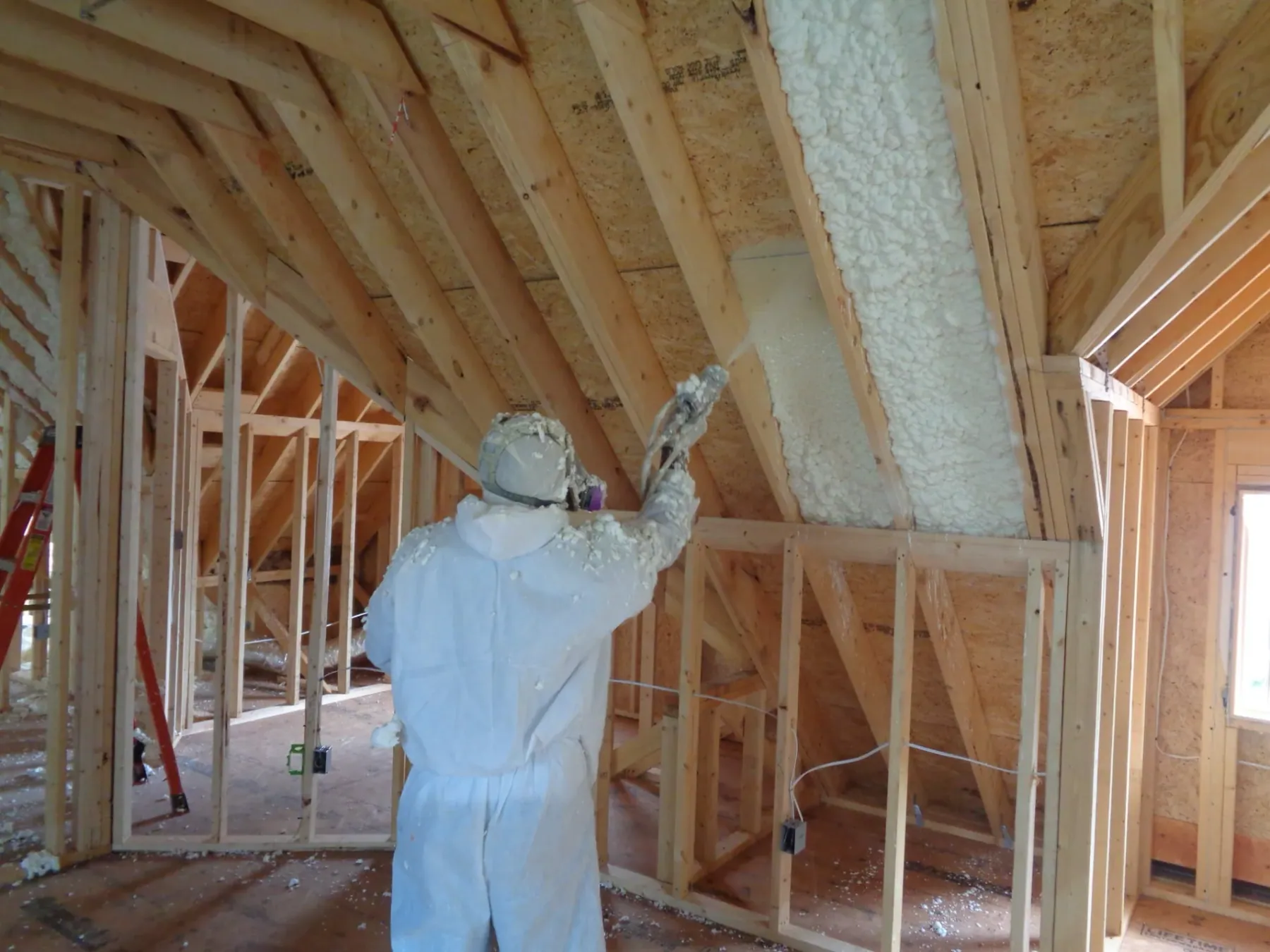
Spray foam insulation can last the lifetime of a home, typically between 30 to 80 years, depending on the type used, installation quality, and environmental conditions. Closed-cell spray foam generally lasts longer than open-cell spray foam due to its higher density and moisture resistance.
For residential properties in regions with humidity variations like Kansas, proper application and airtight sealing are key to ensuring long-term performance. This guide outlines expected lifespans, material comparisons, and important decision points using direct, experience-based observations from insulation jobs across varied building types.
Ozark Eco Foam specializes in spray foam applications across residential, commercial, and agricultural buildings in the Midwest. Information provided is based on real project outcomes and verified technical data.
Lifespan by Spray Foam Type
Bonus Tip
When used in combination, open-cell for interior walls and closed-cell for moisture-prone areas can balance insulation and cost while extending effectiveness.
Factors That Impact Longevity
Material Density and Type
Closed-cell foam has a higher R-value per inch and forms a rigid barrier. Its dense structure improves durability against moisture and structural shifts.
Climate and Humidity
In Kansas and nearby regions, temperature swings and humidity levels impact insulation longevity. Closed-cell resists moisture better, reducing the risk of premature breakdown in humid zones.
UV and Air Exposure
Direct sunlight degrades exposed foam over time. Foam used in attics, crawl spaces, or behind drywall lasts significantly longer due to controlled conditions.
Installation Quality
Improper application often leads to cracking, shrinkage, or incomplete coverage. Always verify crew experience and product mix accuracy on-site.
Home Movement and Settling
Foundational shifts in aging homes can place stress on insulation. Closed-cell options help retain structural integrity.
Technical Properties Comparison
Common Maintenance Issues
- Water Intrusion: Leaks degrade open-cell foam faster; sealing issues must be corrected promptly.
- Rodents/Nesting: Though rare, pests may burrow in open-cell foam if gaps are accessible.
- Mechanical Damage: Drilling or renovations can affect foam integrity.
Conduct a visual inspection of attic and crawl space insulation every 3-5 years. Focus on damp spots, detached panels, or surface discoloration.
Key Considerations Before Choosing an Option
- Building Type: Agricultural structures benefit from closed-cell rigidity. Residential retrofits may tolerate open-cell use for cost-efficiency.
- Area of Application: Moisture-prone spaces demand closed-cell. Interior walls or ceilings with low humidity levels can use open-cell.
- Energy Goals: Closed-cell foam provides higher thermal resistance and better air sealing, important in homes targeting low energy consumption.
- Long-Term Access Needs: Choose open-cell in areas that may require future wiring or plumbing access due to easier removal.
Focused Solutions from Ozark Eco Foam
- Closed Cell Spray Foam: Provides high structural strength and moisture protection, ideal for crawl spaces, foundations, and roofs.
- Open Cell Spray Foam: Expands rapidly to fill cavities, suited for walls and ceilings requiring noise reduction.
- Crawl Space Insulation: Prevents moisture buildup and heat loss in exposed subfloor areas.
- Insulation Removal: Clears damaged or outdated insulation prior to reinstallation, ensuring proper adhesion of new material.
Quick Answers Before Deciding
How long before spray foam begins to deteriorate?
When installed correctly, no noticeable deterioration should occur for at least 30 years. UV exposure or water intrusion accelerates degradation.
Can spray foam be reapplied over old foam?
No. The original layer must be removed if it has degraded. New foam won’t adhere properly to compromised surfaces.
Should attics use closed or open cell?
For unvented or moisture-prone attics, closed-cell offers better performance. Open-cell may suit ventilated spaces with low humidity.
Is spray foam resistant to pests?
Spray foam deters most pests but is not pest-proof. Entry points in surrounding structures must be sealed to prevent nesting.
Final Thoughts
Spray foam insulation offers decades of effective thermal and moisture protection when the right type is used in the correct location. Closed-cell foam lasts longer and performs better under stress, while open-cell remains a solid choice for interiors. Long-term reliability depends on both material quality and installation accuracy.
Assess the space, intended use, and environmental exposure before choosing the right insulation approach.
Contact Ozark Eco Foam
Long-Term Questions About Performance
How does spray foam compare to fiberglass in lifespan?
Spray foam outlasts fiberglass by 2-3 times. Fiberglass typically requires replacement within 15-25 years.
Can spray foam settle or shift over time?
Unlike loose-fill or batts, spray foam adheres to surfaces and does not settle under normal conditions.
What are signs of failing insulation?
Rising energy bills, uneven indoor temperatures, or visible shrinkage may indicate a problem.
Can spray foam insulation trap moisture?
Only if installed in an already damp space without adequate drying time. Closed-cell resists this risk better than open-cell.
Are there regulations for foam lifespan?
Building codes focus on R-value and application safety, not lifespan. Longevity depends on material quality and install precision.
Get a QUote
Our Posts
Crawl Space Insulation Air Quality
Crawl Space Insulation Indoor Air Quality
Commercial Spray Foam Insulation
Insulation Removal Spray Foam Upgrade Galena Ks
Spray Foam Insulation Agricultural Buildings
Open Cell Vs Closed Cell Foam New Construction
- Increase TextIncrease Text
- Decrease TextDecrease Text
- GrayscaleGrayscale
- High ContrastHigh Contrast
- Negative ContrastNegative Contrast
- Light BackgroundLight Background
- Links UnderlineLinks Underline
- Readable FontReadable Font
- Reset Reset