
Can Spray Foam Insulation Really Stop Mold Growth in Your Home?
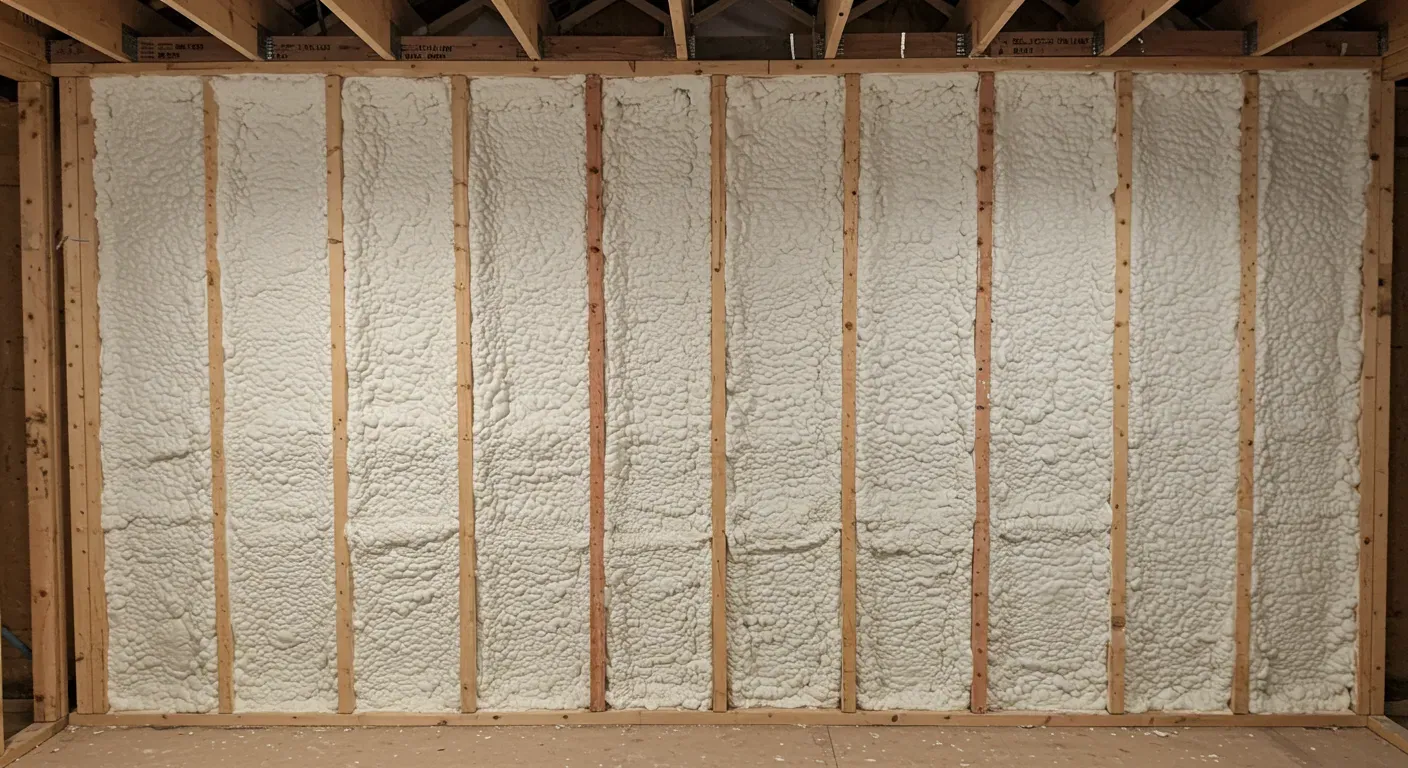
Spray foam insulation blocks moisture intrusion and controls indoor humidity, both of which are major contributors to mold growth. By sealing gaps, cracks, and joints, spray foam creates an airtight barrier that keeps moisture-laden air from entering wall cavities and attics. Unlike traditional materials, it does not absorb water, which eliminates the risk of becoming a food source for mold colonies.
Closed cell spray foam, in particular, offers a vapor barrier that inhibits condensation. When properly installed, it isolates indoor environments from exterior humidity swings, maintaining stable conditions that reduce the risk of microbial growth. This content breaks down how different foam types work, where to use them, and what to consider before making a decision.
Ozark Eco Foam applies hands-on expertise gained through years of installing insulation in residential, commercial, and agricultural buildings across varied climate zones in Kansas and surrounding regions. The following information reflects field-tested outcomes from real-world installations.
Moisture Control and Mold Prevention
Why Mold Grows Inside Structures
Mold develops where moisture persists. Typical triggers include:
- Water vapor from unsealed crawl spaces
- Condensation on cold surfaces (pipes, windows, ductwork)
- Air leaks around rim joists, attic access, or plumbing penetrations
Mold spores require only moisture and organic material to thrive. Preventing moisture intrusion is the first line of defense.
How Spray Foam Interrupts Mold Growth
Spray foam insulation prevents air exchange, reducing the pathways through which moisture enters a structure. It insulates and seals simultaneously.
Bonus Tip: In regions with fluctuating humidity like Southeast Kansas, closed cell foam performs better in basements and crawl spaces due to its vapor resistance.
Application Areas That Reduce Mold Risk
Crawl Spaces
These are common mold hotspots. Spray foam insulation blocks ground moisture, seals rim joists, and insulates subfloors in a single application.
Attics
Properly applied foam creates a conditioned attic space, eliminating temperature and moisture differences that drive condensation.
Wall Cavities in New Construction
Air sealing at the framing stage prevents future mold issues from internal humidity and external weather conditions.
Technical Specifications and Performance Data
Source: U.S. Department of Energy, Building America Program
Region-Specific Considerations
In humid zones with high rainfall or ground saturation, like Kansas, moisture control is critical. Freeze-thaw cycles during winter can lead to condensation inside walls or under roofs. Closed cell foam is the preferred option for these zones due to its low vapor permeability and structural rigidity.
Bonus Tip: For metal buildings, apply closed cell spray foam directly to interior sheathing to prevent condensation from temperature differentials.
Things to Consider Before Making a Decision
- Type of Building: Commercial buildings with high traffic or storage needs benefit from closed cell foam due to its durability.
- Location: Humid climates require materials with vapor control properties.
- Access: Retrofitting may need insulation removal and air sealing before new foam is installed.
- Budget: Closed cell foam has a higher upfront cost but offers long-term savings in moisture management and energy efficiency.
- Code Compliance: Check local building codes for vapor barrier requirements, particularly in basements and crawl spaces.
Services Offered by Ozark Eco Foam for Mold-Resistant Insulation
- Closed Cell Spray Foam: Best for moisture control in crawl spaces, basements, and metal structures.
- Crawl Space Insulation: Prevents ground moisture infiltration and improves air quality.
- Attic Insulation: Controls humidity and temperature swings that lead to mold.
- Insulation Removal: Clears compromised materials to prepare for high-performance upgrades.
Common Questions About Spray Foam and Mold Prevention
Can spray foam go over existing mold?
No. Existing mold must be removed prior to application. Encapsulating mold traps spores and allows growth to continue unseen.
Is open cell spray foam enough in a humid crawl space?
Not recommended. Closed cell is better for resisting ground moisture and condensation.
Does spray foam attract pests?
No. It does not provide a food source or nesting material for pests.
Will it stop air leaks that carry moisture?
Yes. Properly installed foam seals cracks, reducing humid air intrusion.
Get Expert Insulation Guidance
FAQ About Long-Term Use and Maintenance
How long does spray foam last?
Over 30 years if undisturbed. Performance remains stable over time.
Can it be damaged by water leaks?
Closed cell foam resists water and usually stays intact unless physically displaced.
Does it require maintenance?
No routine maintenance. Periodic checks during HVAC or roofing work are sufficient.
Can it be removed or replaced later?
Yes, but removal requires professional equipment due to its adhesive bond.
Is there off-gassing after installation?
Any odors dissipate within 24 hours with proper ventilation during curing.
Get a QUote
Our Posts
Crawl Space Insulation Air Quality
Crawl Space Insulation Indoor Air Quality
Commercial Spray Foam Insulation
Insulation Removal Spray Foam Upgrade Galena Ks
Spray Foam Insulation Agricultural Buildings
Open Cell Vs Closed Cell Foam New Construction
- Increase TextIncrease Text
- Decrease TextDecrease Text
- GrayscaleGrayscale
- High ContrastHigh Contrast
- Negative ContrastNegative Contrast
- Light BackgroundLight Background
- Links UnderlineLinks Underline
- Readable FontReadable Font
- Reset Reset