
How Can Spray Foam Help Reduce Allergens in Joplin, MO Homes?
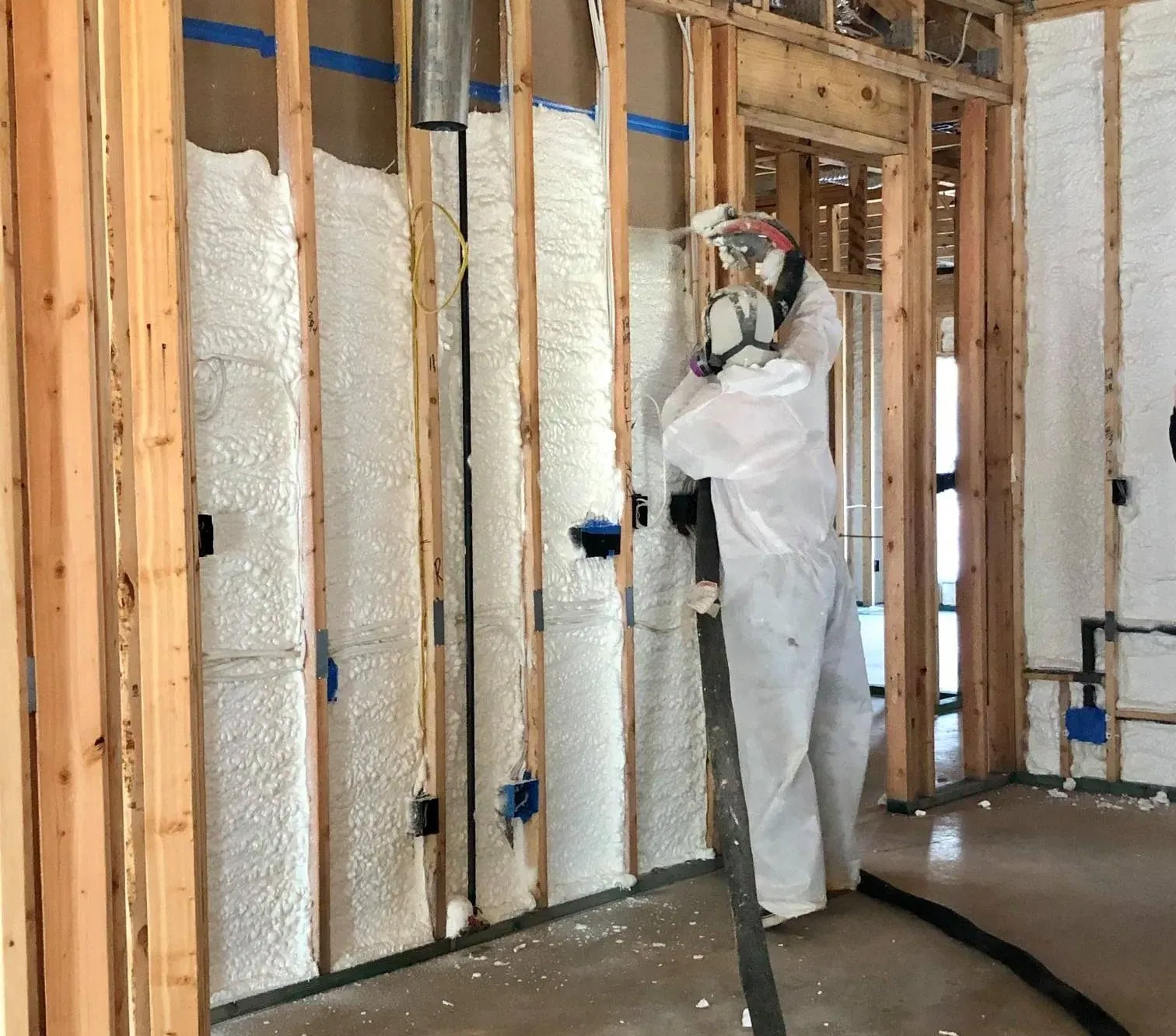
Spray foam insulation reduces airborne allergens in homes by sealing gaps, cracks, and penetrations where dust, pollen, mold spores, and other pollutants typically infiltrate. Where seasonal humidity and wind impact indoor air quality, spray foam allergen reduction Joplin MO helps create a more stable and sealed environment using closed cell and open cell insulation.. This barrier reduces allergen transmission through walls, ceilings, and crawl spaces.
By minimizing air leaks and moisture intrusion, spray foam lowers the risk of mold growth and decreases the circulation of dust mites and pollen from outdoor sources. For residents managing allergies, the insulation method creates a controlled indoor climate that supports respiratory comfort.
Ozark Eco Foam applies this solution based on firsthand experience across residential and agricultural buildings in the region. This data-backed overview presents technical comparisons and real-world guidance for homeowners in Joplin MO homes considering insulation upgrades.
How Spray Foam Blocks Allergen Entry
Spray foam forms an airtight seal, which directly reduces allergen infiltration through:
- Wall cavities
- Crawl spaces
- Attics
- Joist bays and rim joists
- Duct penetrations
Comparison of Insulation Types for Allergen Control
Technical Specifications and Performance Metrics
Bonus Tip
When sealing older homes in Joplin with crawl spaces or basements, use closed cell foam for both structural support and vapor control.
Region-Specific Insights for Joplin, MO
Joplin’s climate brings high spring pollen counts, wet summers, and frequent temperature shifts. These conditions promote allergen buildup when homes aren’t properly sealed. In this area:
- Closed cell foam is preferred in basements and crawl spaces where humidity fluctuates.
- Open cell foam works well in attics for its expansion flexibility and acoustic benefits.
- Fiberglass and cellulose often fail to control moisture-driven allergens during storms and heatwaves.
According to data from the Missouri Department of Health (2023), Greene and Jasper Counties show above-average asthma and allergy prevalence, linked in part to poor indoor air sealing in aging housing stock.
Things to Consider Before Making a Decision
- Building Age: Homes built before 1990 often lack air barriers and contain allergen-prone materials.
- Existing Moisture Issues: Spray foam should not be applied over active leaks or damp surfaces.
- Access Points: Crawl spaces, rim joists, and utility penetrations must be evaluated during inspection.
- Budget vs. Benefit: Closed cell costs more upfront but delivers stronger allergen and moisture resistance.
- Long-Term Plans: Consider if the home will be remodeled, which might affect future insulation choices.
Before spray foam installation, request a blower door test to assess your home’s air leakage rate.
Services for Homes Affected by Allergens
Ozark Eco Foam provides solutions designed to reduce indoor allergen levels and improve indoor air quality:
- Closed Cell Spray Foam: High-performance barrier for crawl spaces, basements, and rim joists.
- Open Cell Spray Foam: Ideal for attics and interior walls where sound and draft control are also needed.
- Air Sealing: Identification and sealing of leaks around pipes, ducts, and framing joints.
- Crawl Space Insulation: Full encapsulation to eliminate moisture entry and allergen buildup.
Common Questions Before Installation
Is spray foam safe for allergy-sensitive individuals?
Yes. Once cured, spray foam does not emit particles or VOCs. Ensure proper ventilation during application.
Does spray foam trap moisture inside walls?
Closed cell foam prevents moisture entry; it does not allow internal condensation when installed on dry surfaces.
Can existing insulation be left in place?
In most cases, it should be removed. Old materials often harbor dust, mold, and allergens.
Which areas of a home are most important to seal?
Focus on rim joists, crawl spaces, attics, and wall cavities where outdoor air enters.
Get Expert Insulation Guidance
For more information or to schedule an inspection:
Get a tailored plan for reducing indoor allergens and improving your home’s air quality in Joplin.
FAQ
How long does spray foam insulation last in allergen-prone areas?
Closed and open cell foams typically last over 30 years without degrading or collecting allergens.
Can spray foam reduce HVAC maintenance?
Yes. Less airborne dust reduces strain on filters and air handlers.
What’s the difference between air sealing and insulation?
Air sealing blocks airflow, while insulation resists heat transfer. Spray foam does both.
How does spray foam compare in cost to fiberglass for allergen control?
Initial cost is higher, but long-term benefits for health and efficiency outweigh it in allergen-sensitive environments.
Does insulation impact allergy-related health symptoms?
Airtight insulation reduces exposure to pollen, dust mites, and mold spores, contributing to symptom relief.
Get a QUote
Our Posts
Crawl Space Insulation Air Quality
Crawl Space Insulation Indoor Air Quality
Commercial Spray Foam Insulation
Insulation Removal Spray Foam Upgrade Galena Ks
Spray Foam Insulation Agricultural Buildings
Open Cell Vs Closed Cell Foam New Construction
- Increase TextIncrease Text
- Decrease TextDecrease Text
- GrayscaleGrayscale
- High ContrastHigh Contrast
- Negative ContrastNegative Contrast
- Light BackgroundLight Background
- Links UnderlineLinks Underline
- Readable FontReadable Font
- Reset Reset